FOLDING
The sheet becomes the packet
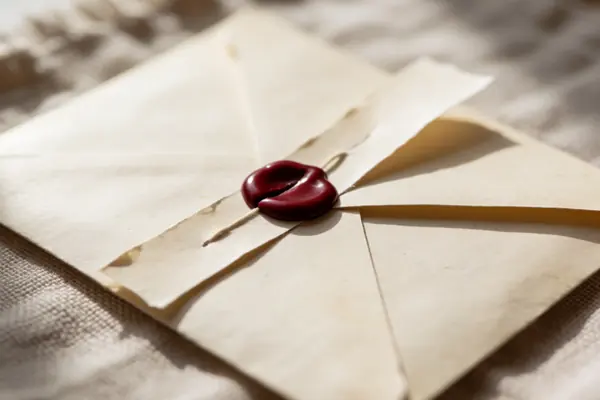
Before mass-produced envelopes spread in the 1830s, most letters were folded and secured so the writing sheet became its own envelope.
See the steps thecalvinistletters
00A HISTORY OF THE SEALED LETTER
Before envelopes, the paper did the locking.
For centuries, letter-writers folded, tucked, slit and sealed a single sheet until it became a secure packet. Historians call it letterlocking, and the folds still tell stories the words leave out.
Try the lock picker01Principles
02THE SHORT ANSWER
Letterlocking turned one sheet into a packet.
Each step made snooping harder to hide.
FOLDING
Before mass-produced envelopes spread in the 1830s, most letters were folded and secured so the writing sheet became its own envelope.
See the stepsSEALING
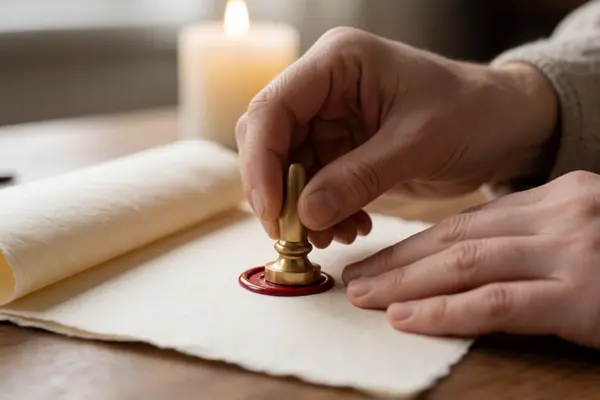
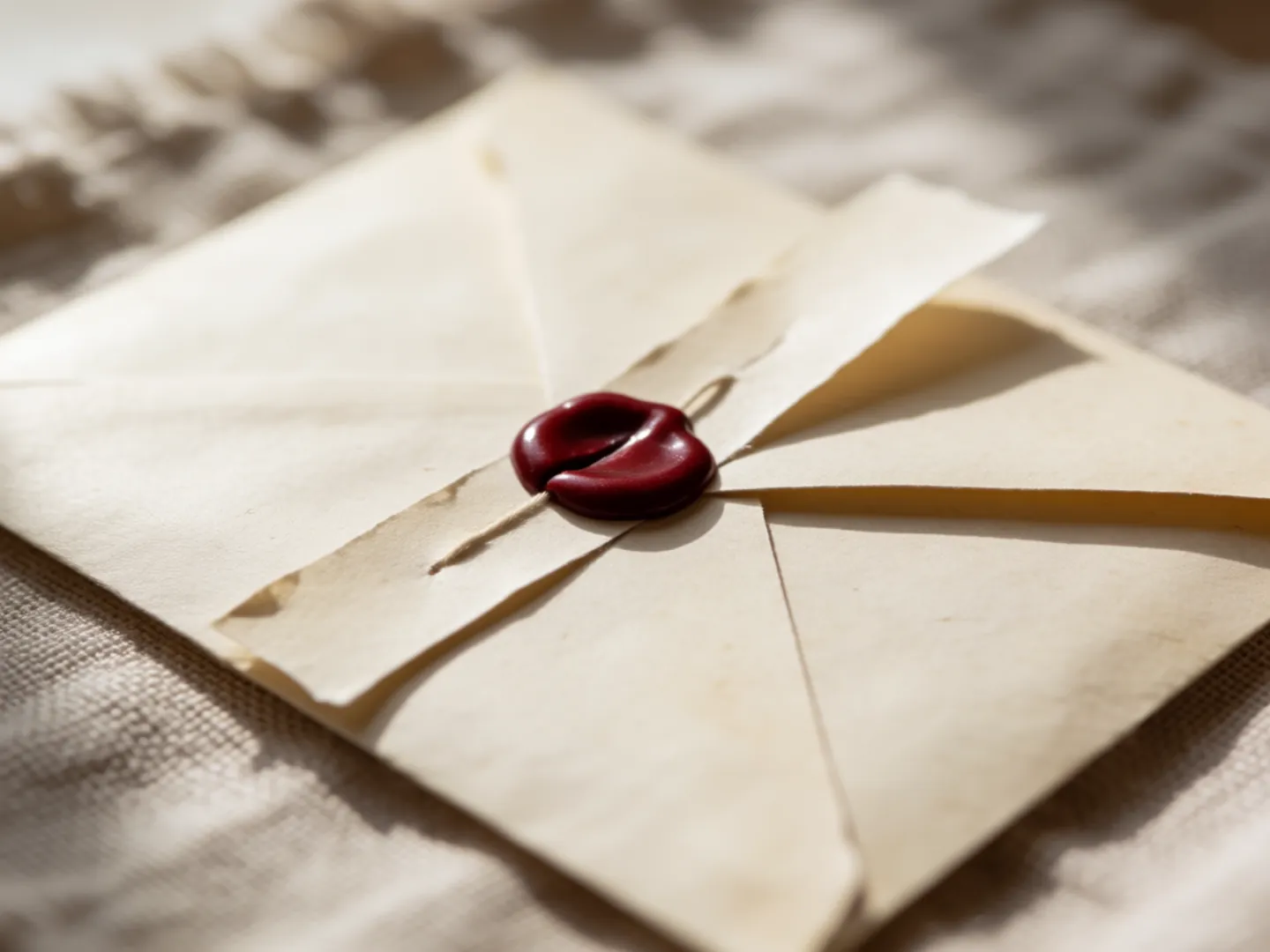
A seal of wax or a starch wafer joined two panels of paper. A seal-stamp pressed a personal design into it as a sign the letter was genuine.
Meet the materialsLOCKING
Some letters had a strip cut from the margin and threaded through slits. These locks damaged the packet when it was opened, so tampering showed.
See the numbers03A QUICK LOCK PICKER
Pick a technique to see what it did. The bar is a rough guide to how much protection the researchers describe each step adding.
Based on the letterlocking studies published by the MIT Libraries and King's College London team. This is an independent informational guide.
04TWO NUMBERS WORTH KNOWING
One figure on how many letters were studied,
one on a trunk of undelivered post.
250,000 letters
Historical letters in the study
The research team based the first systematic chart of letterlocking techniques, with categories numbered 1 to 64, on a study of 250,000 historical letters.
LETTERS STUDIED · NATURE COMMUNICATIONS
577 sealed
Letterpackets never opened
A European postmaster's trunk of 300-year-old undelivered post holds 3,148 catalogued items, including 577 letterpackets that have never been opened.
THE BRIENNE TRUNK · THE HAGUE
In 2021 the team used X-ray scans, made with a scanner built for dental research at Queen Mary University of London, to virtually unfold one sealed letter: a request dated 31 July 1697 for a certified copy of a death notice.
05FOUR THINGS TO LOOK FOR
If you see an early letter in a museum, archive or family collection, the paper itself carries clues about how it travelled.
Fold lines show how the sheet was packed. Paper folded for centuries can tear where folds cross, so handle with care.
Look for wax or wafer and any stamped design. Red is common, but green and black wax also turn up.
Small cuts and holes can mark where a paper lock or silk thread once held the packet shut.
Hold the sheet up to the light. A watermark can help identify the paper mill that made it.
06THE LETTER-WRITER'S DESK
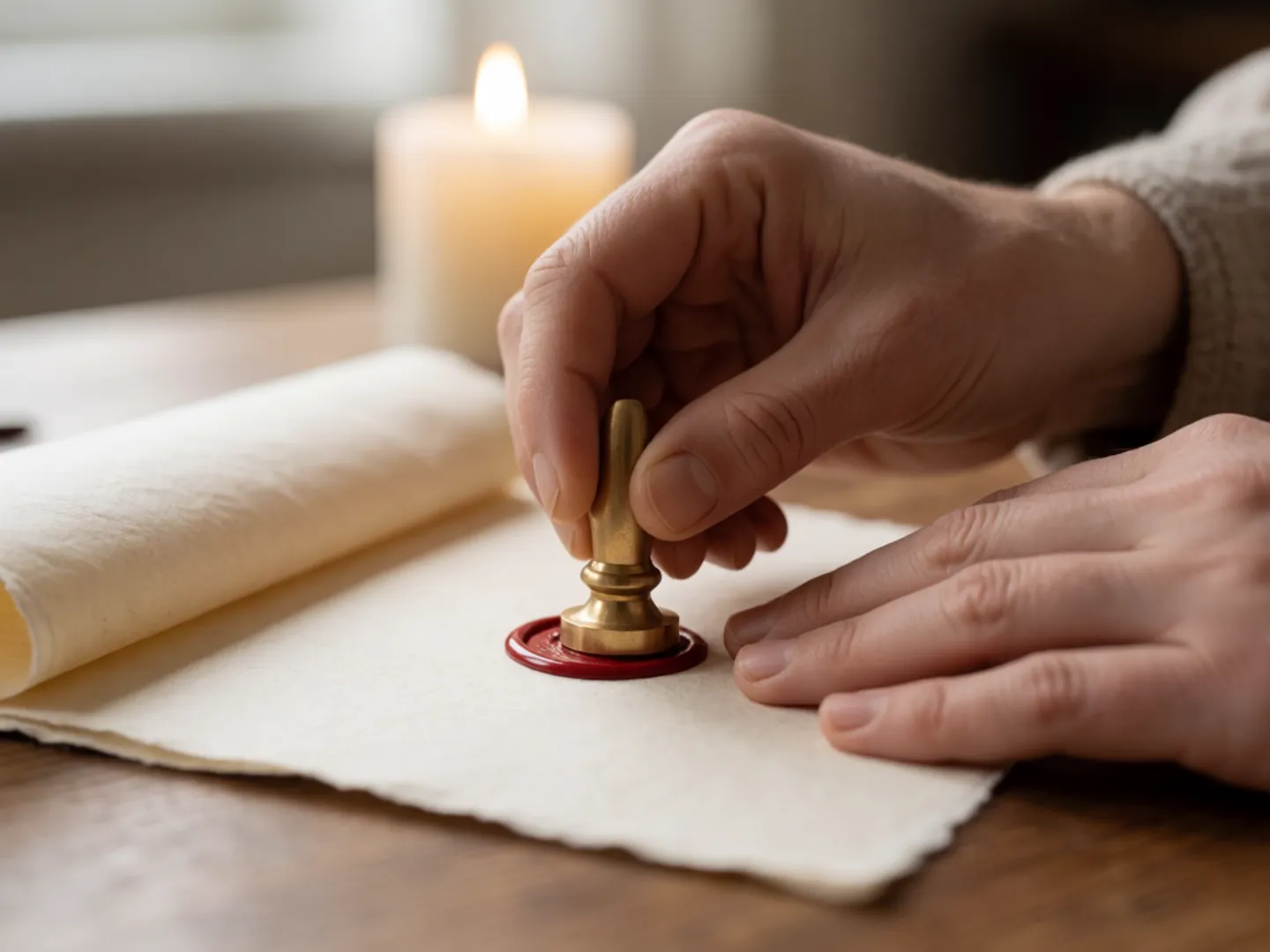
Writers trimmed and prepared their own paper, wrote with goose, pheasant or swan quills and often home-made ink, then sprinkled pounce, a fine sand, or used blotting paper to dry it.
Sealing wax of the period combined beeswax, shellac, rosin and turpentine, melted from a stick over a flame. Wafers, small discs of dried paste moistened before use, grew more popular through the late 17th and 18th centuries.
07Questions
It is the process of folding and securing a writing sheet so that it becomes its own envelope. Researchers describe it as an everyday activity for centuries, across cultures, borders and social classes.
The Nature Communications study says most letters were sent by letterlocking before mass-produced envelopes spread in the 1830s.
A seal of wax or starch wafer joined two panels of paper together. A design carved into a seal-stamp or signet ring, such as a coat of arms, could be pressed into it as a guarantee of authenticity.
Researchers scanned unopened letters with high-contrast X-ray microtomography and used software to unfold them virtually, revealing both the words and the crease pattern without breaking the seal.
It is a postmaster's trunk of 300-year-old undelivered post held at Sound and Vision in The Hague. It contains 3,148 catalogued items, including 577 letterpackets that have never been opened.
08Sources
ABOUT THIS NAME
thecalvinistletters.com is part of the DoodleSale portfolio. It isn't in an auction right now, but you can ask about leasing it.